

What Does A Postpartum Doula Do For Orange County & Los Angeles Families

You've spent nine months preparing for labor and delivery. You've packed your hospital bag, taken the childbirth classes, and practiced your breathing techniques. But have you thought about what happens after you bring your baby home?
Here's the truth: the postpartum period—those first weeks and months with your new baby—can feel like being dropped into the deep end of a pool you didn't know existed.
You're exhausted. Your body is recovering. Your hormones are doing wild things. And suddenly, you're responsible for keeping a tiny human alive 24/7.
This is where a postpartum doula becomes not just helpful, but potentially life-changing.
If you're in Orange County or Los Angeles, Newborn Nurtury offers comprehensive postpartum doula services with experienced, certified professionals who can support your family's unique needs.
What Is A Postpartum Doula?
A postpartum doula is a trained professional who provides physical, emotional, and informational support to families during the postpartum period. Think of them as your guide through the fourth trimester—a knowledgeable, non-judgmental presence who helps you navigate the overwhelming transition to life with a new baby.
Unlike medical professionals who focus on clinical care, postpartum doulas specialize in nurturing the entire family. Their training centers on evidence-based information about newborn care, infant feeding, emotional recovery, and family adjustment. They're there to support you so you can better care for your baby.
The philosophy behind postpartum doula care is often described as "mothering the mother." While they certainly help with baby care, their primary focus is on ensuring that new mothers feel supported, rested, and confident during this vulnerable time.

The Fourth Trimester and Postpartum Period
The postpartum period, sometimes called the fourth trimester, typically refers to the first six weeks after birth, though many experts now extend this to three months or longer. During this time, your body undergoes massive physical changes as it recovers from pregnancy and childbirth. Your hormones shift dramatically. And you're learning to care for a newborn who doesn't come with an instruction manual.
This period requires just as much support and planning as pregnancy and labor—yet it's often overlooked. We spend months preparing for one day (birth) and barely any time preparing for the 365 days that follow. A postpartum doula helps fill that gap.
Postpartum Doula vs. Birth Doula
You might be wondering: isn't this the same as a birth doula?
Not quite. A birth doula provides continuous support during labor and delivery. They're your advocate and comfort person through contractions, pushing, and those first moments with your baby. Their job essentially ends when you leave the hospital or birthing center.
A postpartum doula picks up where the birth doula leaves off. They come to your home after you've been discharged, providing support during those early days and weeks when you're figuring out feeding schedules, dealing with sleep deprivation, and adjusting to your new role as a parent.
Some doulas are certified in both birth and postpartum support and can work with you through the entire journey from late pregnancy through the postpartum period. Others specialize in one area or the other, developing deep expertise in their chosen focus.
Training and Certifications for Postpartum Doulas
Reputable postpartum doulas complete comprehensive training and certification programs before working with families. While requirements vary, most programs include coursework on newborn care, infant feeding (both breastfeeding and bottle feeding), postpartum recovery, emotional support, and family dynamics.
Organizations like DONA International (Doulas of North America) and CAPPA (Childbirth and Postpartum Professional Association) offer respected certification programs. These require doulas to complete required reading, attend in-person training workshops, demonstrate hands-on experience with families, and become CPR certified.
Continuing education is also standard. The best postpartum doulas regularly update their knowledge on topics like safe sleep practices, lactation support, and postpartum mood disorders to ensure they're providing current, evidence-based information to the families they serve.
What Does A Postpartum Doula Do?
Now for the question you really want answered: what will a postpartum doula actually do when they come to your house?
The short answer? Whatever you need that day or night.
The longer answer? Their services are incredibly flexible and personalized to each family's unique situation. What one doula does for one family might look completely different from what they do for another. But here are the core areas where postpartum doulas provide support.
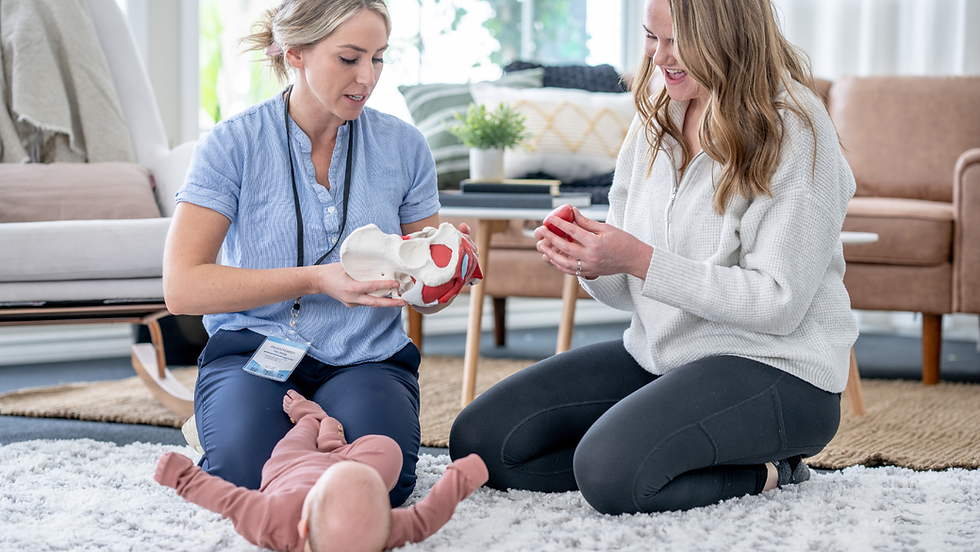
Breastfeeding Support and Lactation Assistance
Breastfeeding is natural, but that doesn't mean it's easy. Many new mothers struggle with latching issues, positioning problems, concerns about milk supply, or simply figuring out how often and how long to nurse.
A postpartum doula with lactation training can help you with the basics of breastfeeding: getting a good latch, finding comfortable positions, recognizing hunger cues, and troubleshooting common challenges. They can observe a feeding session and offer gentle suggestions to improve your technique.
However, it's important to note that unless your doula is also a certified lactation consultant (IBCLC), they can't diagnose or treat medical breastfeeding problems. What they can do is recognize when you need more specialized help and refer you to a lactation consultant for more complex issues like tongue ties, severe pain, or significant supply concerns.
If you're pumping, your postpartum doula can help you understand your pump, establish a pumping schedule, and properly store breast milk. If you're bottle feeding—whether with formula or pumped milk—they'll support that choice completely and help you find a feeding routine that works for your family.
Newborn Care and Baby Soothing Techniques
Caring for a newborn involves a steep learning curve. Diapers, bathing, swaddling, soothing—these skills that seem so simple become surprisingly challenging when you're exhausted and holding a screaming baby at 3 AM.
Your postpartum doula brings experience from working with many babies. They know multiple ways to swaddle, various positions that help colicky babies, and techniques for calming a fussy newborn. More importantly, they can teach you these skills through hands-on demonstration.
They'll help you understand your baby's cues and communication. Is your baby crying because they're hungry? Overtired? Need a diaper change? Overstimulated? Learning to read these signals builds your confidence as a parent.
During visits, your doula might care for your baby while you take a much-needed shower, eat a meal sitting down, or simply sleep. This isn't about taking over—it's about giving you the breaks you need to recover and recharge.
Emotional and Physical Support for New Mothers
The postpartum period can be emotionally intense. You're dealing with hormonal shifts, sleep deprivation, physical recovery from birth, and the overwhelming responsibility of caring for a new life. Add in unrealistic expectations from social media and family pressure, and it's a recipe for feeling completely overwhelmed.
A postpartum doula provides a safe, non-judgmental space for you to express your feelings.
Worried you're not bonding fast enough with your baby? Frustrated that breastfeeding isn't working like you planned? Scared by intrusive thoughts? Your doula has heard it all, and they understand that these feelings are normal and common.
They can also help with your physical recovery, particularly if you've had a cesarean delivery or birth complications. While they don't provide medical care, they can help you with comfort measures, remind you to take your medications, ensure you're staying hydrated, and encourage you to rest when possible.
Postpartum doulas are also trained to screen for signs of postpartum mood disorders, including postpartum depression and anxiety. They know the difference between normal "baby blues" and symptoms that require professional intervention. If they notice concerning signs, they'll help connect you with appropriate mental health resources.
Light Housekeeping and Meal Preparation (Day Doulas only)
Let's be honest: when you're functioning on two hours of sleep and covered in spit-up, the last thing you want to think about is what's for dinner or the pile of dishes in the sink.
Many postpartum day doulas include light housekeeping as part of their services. This doesn't mean deep cleaning your entire house—think more along the lines of tidying up, doing a load of baby laundry, washing bottles, wiping down counters, and generally keeping things manageable so you're not returning from feeding your baby to complete chaos.
Meal preparation is another common service. Your day doula might prep simple, nutritious meals that you can heat up later, make you a healthy lunch, or even do some grocery shopping. Some doulas will pick up items you need on their way to your house—whether that's diapers, groceries, or your favorite comfort food.
The goal is to remove daily tasks from your plate so you can focus on resting and bonding with your baby. When someone else is handling the dishes and laundry, you can actually use your baby's nap time to sleep instead of scrambling to keep your household running.
Education on Infant Feeding and Newborn Care
Education is a huge component of postpartum doula support. Rather than just doing things for you, a good doula teaches you how to do them so you feel capable and confident when they're not there.
They provide evidence-based information on infant feeding practices—whether you're breastfeeding, formula feeding, or doing a combination. They'll share safe sleep guidelines, explain normal newborn behavior, and help you understand developmental milestones.
This educational support extends to understanding your baby's sleep patterns. While sleep training isn't appropriate for newborns, your doula can help you establish healthy sleep foundations and understand age-appropriate expectations. They'll help you create bedtime routines and teach you about wake windows and sleep cues.
The benefit of learning from a postpartum doula rather than just reading books or watching videos? They're right there with you, demonstrating techniques on your actual baby and helping you practice until you feel comfortable.
Sibling Care and Family Adjustment
If this isn't your first baby, a postpartum doula can be invaluable in helping older siblings adjust to the new family dynamic. They might play with your toddler while you feed the baby, help with bedtime routines for older kids, or simply provide an extra set of hands during those chaotic moments when everyone needs something at once.
They can also offer strategies for helping siblings bond with the new baby and managing the jealousy or regression that often accompanies a new sibling's arrival.
Your postpartum doula supports your partner too. They can teach baby care skills to both parents, suggest ways for non-birthing partners to bond with the baby, and help ensure that everyone in the family feels confident and involved.
Resource Referrals and Community Connections
A well-connected postpartum doula is like having a personal concierge for all things baby. They know the good pediatricians, the responsive lactation consultants, the supportive new parent groups, and the best places to get maternity and baby items locally.
Need a pelvic floor physical therapist? A postpartum mental health counselor? A baby-friendly chiropractor? Your doula probably has several recommendations.
They can help you find local resources like mom-and-baby yoga classes, breastfeeding support groups through La Leche League, or new parent meetups where you can connect with other families navigating similar challenges.
This community-building aspect is especially valuable if you're new to your area or don't have family nearby. Your postpartum doula helps you build a "village" when you don't already have one.
Postpartum Doula Services: Day vs. Night
Postpartum doulas typically offer both daytime and nighttime services, and families often benefit from different types of support depending on their needs.

Daytime Postpartum Support
Daytime visits usually focus on education, household support, and giving parents breaks during the day. A doula might arrive in the morning and stay for several hours, helping with morning routines, demonstrating newborn care techniques, preparing meals, and allowing parents to nap, shower, or handle other responsibilities.
These daytime shifts are ideal for families who need help establishing routines, want hands-on education, or need support with siblings and household tasks.
Nighttime and Overnight Care
Overnight postpartum care is designed to help families get crucial sleep during those early weeks when babies are waking every 2-3 hours. During an overnight shift (typically 10-12 hours), the doula handles all nighttime baby care.
For breastfeeding mothers, the doula will bring the baby to you when it's time to nurse, then handle the diaper change, burping, and getting the baby back to sleep so you can go right back to sleep yourself. For families who are formula feeding or using pumped milk, the doula handles all feedings overnight so parents can sleep through the night.
This uninterrupted sleep is absolutely transformative for postpartum recovery. When you're getting 7-8 hours of continuous rest, your physical healing accelerates, your mental health improves, and you have so much more energy and patience during the day.
Typical Visit Duration and Frequency
Most postpartum doulas work with families anywhere from a few days to several weeks after birth, though some relationships extend for months. The frequency and duration of visits vary widely based on family needs and budget.
Some families hire a doula for just 3-7 overnight shifts during the first four weeks to get through the hardest part. Others have a doula come for 4-hour daytime shifts three times a week for the first month. Still others bring in a postpartum doula for weekend overnight shifts for several months.
Many doulas require a minimum number of hours per visit (often 5 hours for daytime, 9+ hours for overnight) to make the work sustainable for them and to provide meaningful support to families.
The key is being flexible. Your needs in the first week postpartum will be different from your needs in week four, and a good doula will adjust their support accordingly.
Benefits of Hiring A Postpartum Doula
Still wondering if a postpartum doula is worth the investment? Let's look at what research and real families report about the benefits of postpartum support.

Breastfeeding Success Rates
Multiple studies show that families who work with postpartum doulas have higher rates of breastfeeding initiation and longer breastfeeding duration. One study found that mothers with doula support were significantly more likely to be breastfeeding at six weeks postpartum compared to mothers without that support.
Why? Because they have someone available to help troubleshoot problems before they become major issues, someone to offer encouragement when things get hard, and someone to provide evidence-based information that helps them meet their feeding goals.
Lower Risk of Postpartum Depression
Research consistently shows that strong social support during the postpartum period reduces the risk of postpartum depression and anxiety. Postpartum doulas provide exactly this type of support—they reduce isolation, validate your feelings, help you get more sleep, and connect you with mental health resources if needed.
For mothers with a history of depression or other risk factors for postpartum mood disorders, having a postpartum doula isn't a luxury—it's preventive healthcare.
Faster Physical Recovery After Birth
When you have help with household tasks, baby care, and meal preparation, your body can actually use its energy for healing instead of running on empty while trying to keep up with everything. Sleep, nutrition, and reduced stress all accelerate physical recovery, whether you're healing from a vaginal birth or a cesarean delivery.
Increased Parental Confidence
One of the most powerful benefits of working with a postpartum doula is the boost in confidence. When someone shows you how to soothe your baby, helps you understand normal newborn behavior, and reassures you that you're doing a great job, you start to trust yourself as a parent.
This confidence ripples through everything. You make decisions more easily. You feel less anxious. You can actually enjoy those early weeks instead of just surviving them.
Better Sleep for New Parents
This one might seem obvious, but the impact of adequate sleep on new parents cannot be overstated. When you're getting rest—whether that's from overnight doula support or having someone hold the baby so you can nap during the day—you're more patient, more present, and better able to cope with the challenges of new parenthood.
Chronic sleep deprivation affects every aspect of your wellbeing. A postpartum doula who helps you get more sleep isn't just a nice-to-have—they're protecting your health.
Reduced Parental Anxiety
The postpartum period can be filled with anxiety. Is the baby breathing? Are they eating enough? Is this crying normal? Having an experienced professional available to answer questions and provide reassurance significantly reduces this anxiety.
Parents report feeling calmer and more secure knowing they have someone they can text with questions or someone who will be there in a few days to check on how things are going.
Support for Partners and Family Dynamics
Postpartum doulas don't just support mothers—they support entire families. Partners often feel unsure about how to help or may be dealing with their own adjustment to parenthood. A doula can teach both partners baby care skills, suggest ways for the non-birthing parent to bond with the baby, and help ensure both parents feel confident.
This shared education and support strengthens your partnership during a time when many couples experience stress and disconnect.
How Much Does A Postpartum Doula Cost?
Let's talk about the investment involved in hiring a postpartum doula, because yes, this support comes with a cost.
Average Hourly Rates by Location
Postpartum doula rates vary significantly by location and experience level. In larger metropolitan areas like Los Angeles and Orange County, rates typically range from $55 to $65 per hour. Overnight care often commands higher rates than daytime support, as does care for multiples (twins, triplets) which typically increases costs by 20-30%.
Factors That Affect Doula Pricing
Several factors influence what you'll pay for postpartum doula services:
Experience and training: A newly certified doula building their practice will charge less than a doula with ten years of experience and advanced certifications.
Services included: Some doulas offer additional services like lactation support, sleep consultation, or meal preparation, which may affect their rates.
Location: Urban areas with higher costs of living have higher doula rates.
Special circumstances: Care for multiples, premature babies, or babies with special needs may require specialized skills and higher rates.
Insurance, FSA, and HSA Coverage Options
While most health insurance doesn't cover postpartum doula services directly, there are some potential ways to offset the cost:
FSA and HSA accounts: Some families can use their flexible spending account or health savings account funds to pay for postpartum doula services. Check with your plan administrator about whether this is an option.
Innovative insurance programs: Some newer insurance programs and employer benefits packages (like Carrot Fertility or certain tech company benefits) include coverage for postpartum doula support.
Baby registry and gifts: More families are adding postpartum doula hours to their baby registry as a shower gift. Friends and family can contribute toward hours of support, which many find more meaningful than another baby outfit or toy.
Grants and community programs: Some communities offer grants or subsidized doula programs for families who meet certain criteria. Ask potential doulas if they know of any local programs.
Postpartum Doula vs. Baby Nurse
You might hear these terms used interchangeably, but there are important differences between a postpartum doula and a baby nurse.
Key Differences in Focus and Training
A baby nurse—sometimes called a newborn care specialist or night nurse—primarily focuses on the baby. Their expertise centers on infant care, and their main goal is to handle all aspects of caring for your newborn.
A postpartum doula, while certainly skilled in baby care, focuses on the entire family with particular emphasis on supporting the new mother. Their training includes not just newborn care but also postpartum recovery, emotional support, breastfeeding assistance, and family dynamics.
Baby nurses often come from a medical background and may have nursing credentials. They're particularly valuable for families with premature babies, multiples, or babies with medical needs.
Postpartum doulas typically have training through doula organizations and focus on non-medical support. They excel at teaching parents, providing emotional support, and nurturing the whole family through the transition.
"Mothering the Mother" Philosophy
The "mothering the mother" philosophy distinguishes postpartum doulas from other types of newborn care providers. Rather than taking over baby care, doulas empower parents to develop their own skills and confidence while providing the support and education that makes that learning curve less overwhelming.
A postpartum doula's job is ultimately to work themselves out of a job—to help you become so confident and capable that you no longer need their support.
Who Needs A Postpartum Doula?
The short answer? Almost everyone could benefit from postpartum support. But some families have a particularly strong need for this type of help.

First-Time Parents
If this is your first baby, you're learning everything from scratch. You've never changed a diaper, soothed a crying newborn at 2 AM, or figured out whether your baby is hungry or tired. A postpartum doula provides the guidance and reassurance that helps you through this steep learning curve with less anxiety and more confidence.
Parents with Multiple Children
Adding a second (or third, or fourth) baby to your family brings its own challenges. You're now juggling the needs of multiple children, helping siblings adjust, and managing everyone's schedules and emotions. A postpartum doula can provide extra hands, help with sibling care, and ensure older kids don't feel neglected during this transition.
Families Without Local Support
If you don't have family nearby or your support network is limited, a postpartum doula becomes essential. They fill the role that grandmothers, sisters, and friends might traditionally play—providing practical help, emotional support, and the reassurance that you're not alone in this journey.
Parents Recovering from Cesarean Delivery
After a cesarean, your physical recovery requires more rest and limitations on what you can lift and do. A postpartum doula helps with tasks that are difficult after abdominal surgery—lifting the baby from the bassinet, getting in and out of bed, doing household chores—while you heal.
Families with Multiples (Twins/Triplets)
Caring for multiple newborns is exponentially more challenging than caring for one. Feeding, diaper changes, and soothing multiply, and getting any sleep becomes nearly impossible without help. Postpartum doulas experienced with multiples can help establish routines, teach you systems for managing multiple babies, and provide the overnight help that's crucial for your survival and sanity.
Parents at Risk for Postpartum Mood Disorders
If you have a history of depression, anxiety, or previous postpartum mood disorders, having a postpartum doula provides protective support during a vulnerable time. They can help you get adequate sleep, reduce stress, provide emotional support, and watch for early warning signs that you might need professional mental health care.
How To Find A Postpartum Doula
Ready to find postpartum support? Here's how to locate and vet the right doula for your family.
Where to Search for Doulas
Start by asking your healthcare providers—your OB, midwife, or pediatrician often have referrals to local postpartum doulas they trust.
Certification organization websites like DONA International and CAPPA have searchable directories where you can find certified doulas in your area.
Local parenting groups, both in-person and on social media, are excellent resources. Ask for recommendations from other parents who have used postpartum doulas.
Childbirth educators and birth doulas often know postpartum doulas and can provide referrals.
Important Interview Questions to Ask
Once you've found potential candidates, schedule consultations (often free) to determine if they're a good fit. Ask:
What training and certifications do you have?
How long have you been working as a postpartum doula?
Can you provide references from recent clients?
What's your philosophy on infant feeding? (Ensure they'll support your choices, whether that's breastfeeding, formula feeding, or a combination)
What services do you include in your standard support?
What are your rates and minimum hours?
Are you available during my expected timeframe?
How do you handle scheduling if the baby arrives early or late?
What's your backup plan if you're sick or have an emergency?
Do you have experience with [whatever is relevant to your situation: twins, cesarean recovery, breastfeeding challenges, etc.]?
Checking Certifications and References
Always verify credentials. Check that the doula has current CPR certification and certification from a reputable doula organization.
Actually call those references. Ask previous clients what they found most helpful about working with this doula, whether there was anything they wish had been different, and whether they would hire this person again.
Finding the Right Personality Fit
Beyond qualifications, you need to feel comfortable with your postpartum doula. You'll be vulnerable around this person—exhausted, possibly half-dressed while nursing, emotional, and dealing with all the messy realities of new parenthood.
Trust your gut. If someone has impressive credentials but something feels off during your consultation, keep looking. The right doula will make you feel immediately at ease, heard, and supported without judgment.
What A Postpartum Doula Does NOT Do
It's equally important to understand the boundaries of the postpartum doula role.
Medical Care Limitations
Postpartum doulas do not provide medical care. They don't diagnose conditions, prescribe treatments, or offer medical advice. If you have questions about your health or your baby's health, those should go to your healthcare providers.
However, doulas can help you recognize when something might need medical attention and encourage you to contact your doctor or midwife.
Boundaries of the Doula Role
Postpartum doulas don't speak for you to your healthcare providers or make decisions for your family. Instead, they provide information, resources, and support so you can make informed choices and advocate for yourself.
They're not housekeepers, though they do light housekeeping related to supporting your recovery and the baby. They're not there to deep clean your home or organize your closets.
They're not therapists, though they provide emotional support. If you need mental health treatment, they'll help connect you with appropriate professionals.
Understanding these boundaries helps set realistic expectations about what postpartum doula support includes.
Finding Your Postpartum Support

The transition to parenthood is one of life's most profound changes. It deserves the same level of preparation and support as pregnancy and childbirth—yet our culture often leaves new parents to figure it out alone.
A postpartum doula changes that equation. They provide the physical help, emotional support, practical education, and community connections that transform those early weeks from overwhelming to manageable. From empowering.
Whether you're a first-time parent feeling anxious about bringing your baby home, a mom recovering from a difficult birth, or a family without local support, postpartum doula services offer invaluable assistance during the fourth trimester.
Yes, there's a cost involved. But consider what you're investing in: better sleep, faster recovery, increased confidence, breastfeeding success, lower risk of postpartum depression, and the space to actually enjoy those fleeting newborn days instead of just surviving them.
If you're in Orange County or Los Angeles and want to explore how postpartum doula support could benefit your family, Newborn Nurtury provides both daytime and overnight postpartum care tailored to your specific needs.
The postpartum period is temporary, but the impact of having proper support during this time lasts far beyond those early weeks. You deserve to be cared for while you're learning to care for your baby. That's not a luxury—it's essential.


Comments